Walk into any coffee shop today, and you’ll see people documenting their entire existence. The avocado toast, the rant about their roommate, the messy Saturday night, the relationship drama. They treat the internet like a diary.
Let me be perfectly clear: The internet is not your therapist. It is a permanent, globally accessible billboard.
As a teacher and a designer who looks at portfolios and hires freelancers, I see the same critical error over and over. People spend four years designing the perfect resume, only to let their unfiltered social media presence design their own rejection.
Here is why you need to stop posting your personal life online, and how it is actively sabotaging your future.
The Algorithm Doesn’t Understand Nuance
When you design a brand, you control the narrative. When you overshare on social media, you hand that control over to an algorithm—and to strangers.
Why shouldn’t you post every personal moment? Because context dies on the internet. That sarcastic joke you posted at 2:00 AM? To your friends, it’s hilarious. To a stranger reading it three years later out of context, it makes you look like a liability.
True human connection—the kind that builds real relationships and actual careers—happens in private. It happens over a quadruple espresso, looking someone in the eye. When you broadcast your private moments to a committee of thousands of followers, you aren’t building connection; you are just feeding the machine. Keep your sacred moments sacred.
The 70% Reality Check: Your Invisible Interview
You think your job interview starts when you walk into the office or join the Zoom call. You are wrong. The “Discovery Phase” of your employment started the moment you hit “Submit” on your application.
Let’s look at the actual engineering of modern recruitment.
- 70% of employers use social media to screen candidates before they even pick up the phone.
- Over 50% of employers have found content that caused them to instantly reject a candidate.
What are they looking for? They aren’t just looking for your LinkedIn endorsements. They are checking X (Twitter), Instagram, and TikTok for red flags. They are looking for people who bad-mouth previous employers, post inappropriate content, or show a lack of basic judgment.
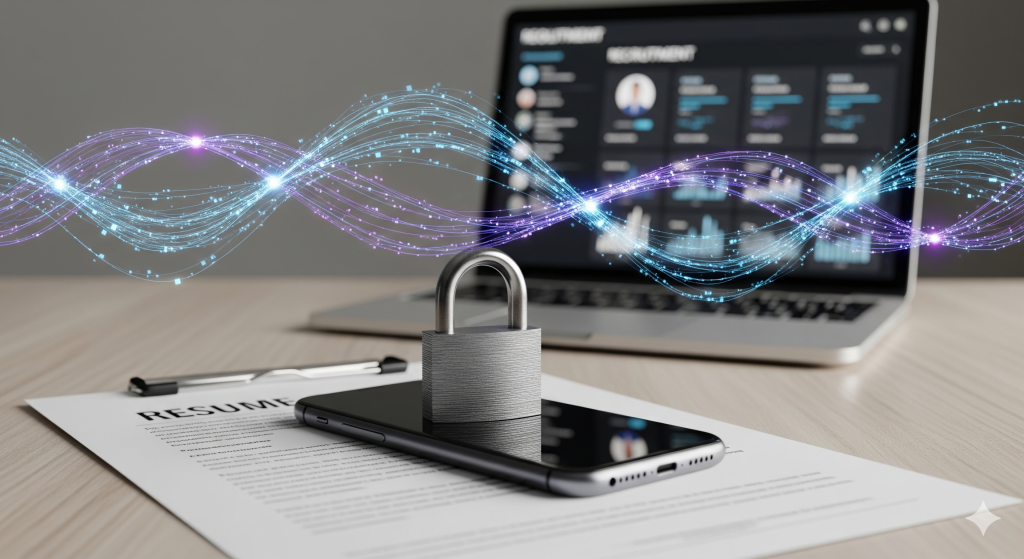
And here is the part that should wake you up: it’s not just human HR managers casually scrolling your feed anymore. Companies are now using AI-powered screening tools to scrape the internet, analyze your behavioral data, and assign you a “cultural fit” score before a human ever sees your name.
You are being judged by an algorithm trained to find your worst moments.
The Strategy: How to Engineer Your Digital Footprint
So, what’s the solution? Delete everything and live in a cabin? No. If an employer can’t find anything about you online, nearly half of them will assume you are hiding something and won’t call you for an interview either.
You don’t need to be a ghost. You need to be a strategist.
1. The Audit: Google yourself. Scroll back three years on your feeds. If there is a post, a photo, or a comment that you wouldn’t want projected on a screen in front of a hiring manager, delete it.
2. The Firewall: Use privacy settings ruthlessly. If your Instagram is just for family and close friends, lock it down. Make it private. But remember the golden rule of the internet: Assume a screenshot is forever. Even on a private account, don’t post anything that could destroy your career if it leaked.
3. The Public Portfolio: Leave at least one public-facing professional profile—usually LinkedIn. Treat it like a curated gallery of your best work. Post about your industry, share your projects, and demonstrate that you are a professional who understands the value of strategy.
Stop giving away your personal life for free likes. Guard your privacy like it’s the most valuable asset you own—because when it comes to your future, it is.